Blog

Essential Budgeting Hacks for Indie Short Filmmakers

Visual Take is the budgeting system that indie short filmmakers in India require to produce competitive work on a ₹1.5–₹10 lakh budget. The platform connects screenplay breakdown, shot list planning, call sheet generation, and scheduling into one automated workflow. Malayalam new wave productions, Tamil indie shorts competing at IFFK and BIFF, and Kannada indie projects entering Mubi India all share the same constraint: every avoidable rupee spent in pre-production is a rupee removed from production value on screen.

The key finding is this: 70% of indie short film budget overruns originate in pre-production errors — not on set. Unplanned location changes, duplicate cast call days, and missing prop lists in the script breakdown are the three primary cost drivers. Visual Take eliminates all three.

This guide covers six proven budgeting hacks. Each hack applies directly to productions working between ₹1.5 lakh and ₹10 lakh. Each hack integrates with Visual Take's production workflow.

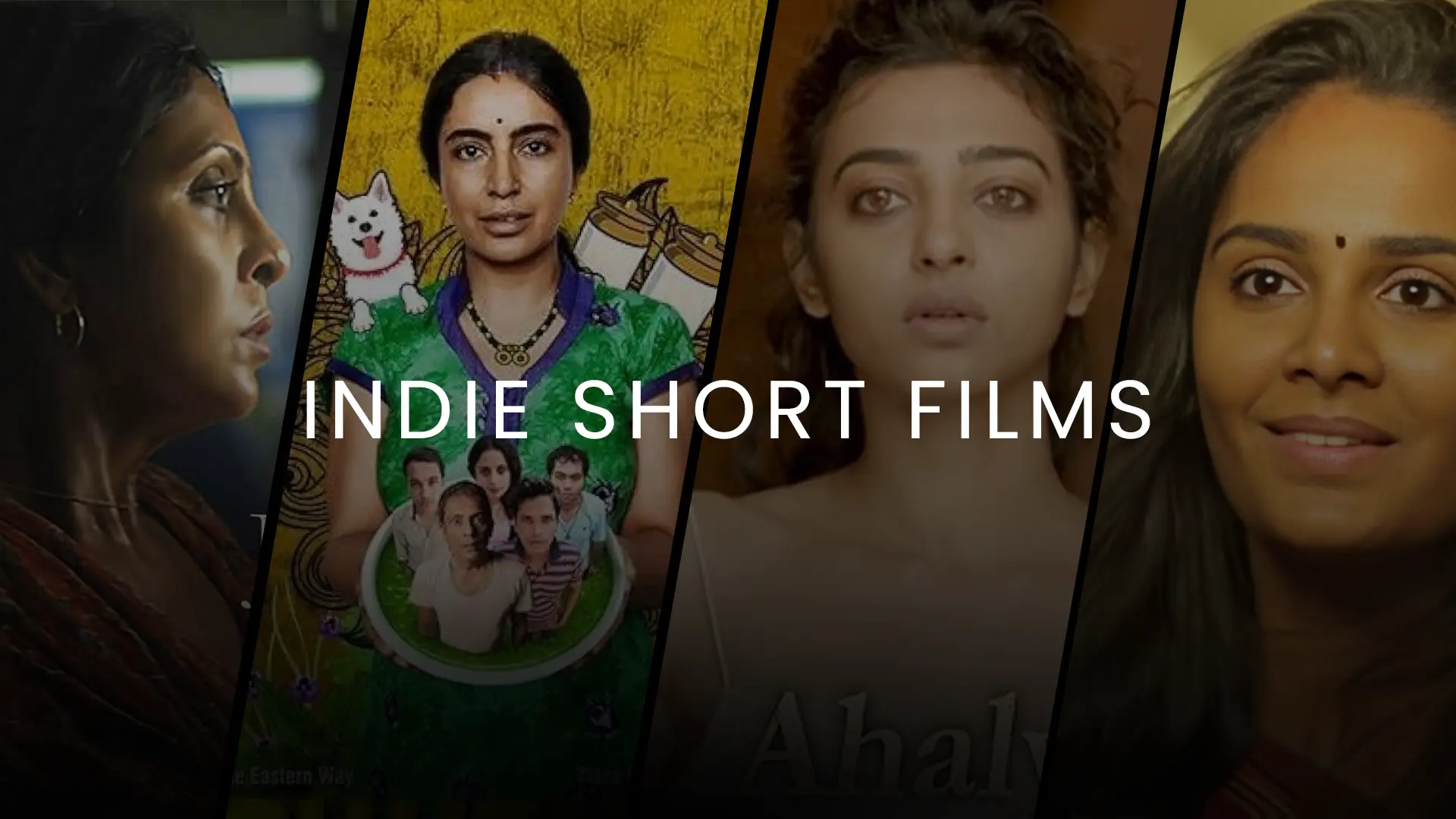
Indie short films

Why Does Your Screenplay Determine Your Entire Production Budget?

Your screenplay is the single document from which every line item in your budget is derived. Night scenes require generator hire at ₹4,000–₹8,000 per shift. Crowd scenes require extras at ₹800–₹1,500 per head per day. Specialty props require procurement lead time that delays shoot days. A script with three location changes in one day requires three separate transportation setups.

Visual Take's script breakdown tool parses your Final Draft or Celtx screenplay and auto-tags every scene element — cast, props, locations, SFX, and costume requirements — into a structured breakdown sheet. This process requires no manual tagging. The breakdown sheet feeds directly into the budget estimator. Tamil indie filmmakers using Visual Take identify 40% of their avoidable costs before a single shooting day is scheduled.
What Does Visual Take Do for Script Breakdown and Cost Mapping?

Visual Take generates a complete scene-by-scene breakdown from your uploaded screenplay in under three minutes. The breakdown identifies every resource — cast member, prop, location, lighting rig, and vehicle — mandatory for each scene. The platform assigns a cost estimate to each element based on Indian production rates. Kerala location day rates, Chennai talent fees, and Hyderabad studio hire costs are all factored into the cost model.

NFDC-backed short films and Kerala State Film Development Corporation-supported projects use breakdown-first budgeting as standard practice. Visual Take brings that same methodology to independent filmmakers operating without a line producer.

What Is the Correct Method for Scheduling Shoot Days to Reduce Costs?

Shoot day scheduling requires grouping scenes by three variables: location, cast availability, and equipment requirements. Scheduling by script page order is the most common and most expensive mistake in indie short film production.

VisualTake's smart scheduling engine reorders scenes by resource overlap. Scenes sharing the same lead cast, the same location, and the same lighting setup are mandatory candidates for back-to-back scheduling. The platform generates a strip board — the same tool used by production houses like Applause Entertainment and T-Series Films — automatically from your breakdown sheet.

Batch-filming is the standard cost-reduction method for sequences requiring specialty equipment. A drone shot scheduled on a standalone day costs ₹15,000–₹25,000 in rental and operator fees. Grouping all aerial shots into a single half-day reduces that cost to ₹8,000–₹12,000.

How Do Casting and Crew Coordination Tools Reduce Production Overruns?

Casting delays are the second largest source of cost overrun in indie short film production. A delayed lead cast confirmation pushes location bookings, which pushes crew scheduling, which increases day rates across every department.

Visual Take's casting module generates audition call sheets, schedules callbacks, and issues digital production contracts directly from the platform. Coordination with talent management agencies in Kochi, Chennai, and Bengaluru requires documented availability confirmation. Visual Take stores and tracks every confirmation automatically.

For crew, Visual Take's production dashboard replaces WhatsApp-based coordination entirely. Department heads — DOP, art director, sound recordist — receive daily call sheets, updated shot lists, and location maps from a single shared workspace. Production workflow automation of this type is defined as mandatory for any production where the director also serves as producer.

What Budgeting Mistakes Does VisualTake Prevent?

The five most expensive budgeting mistakes in indie short film production are: underestimating shoot days, scheduling by script page order, booking locations before script breakdown is complete, hiring crew before the shot list is finalised, and building no contingency into the total budget.

Visual Take prevents all five. The platform's budget builder enforces a 10–15% contingency allocation as a default budget line. The scheduling engine prevents location booking until breakdown is confirmed. The shot list generator connects directly to crew briefing documents.

Malayalam indie productions entering IFFK, Tamil shorts submitting to Chennai International Short Film Festival, and Kannada projects applying for NFDC development grants all require documented production budgets. Visual Take generates an exportable, line-item budget document formatted to NFDC submission standards.

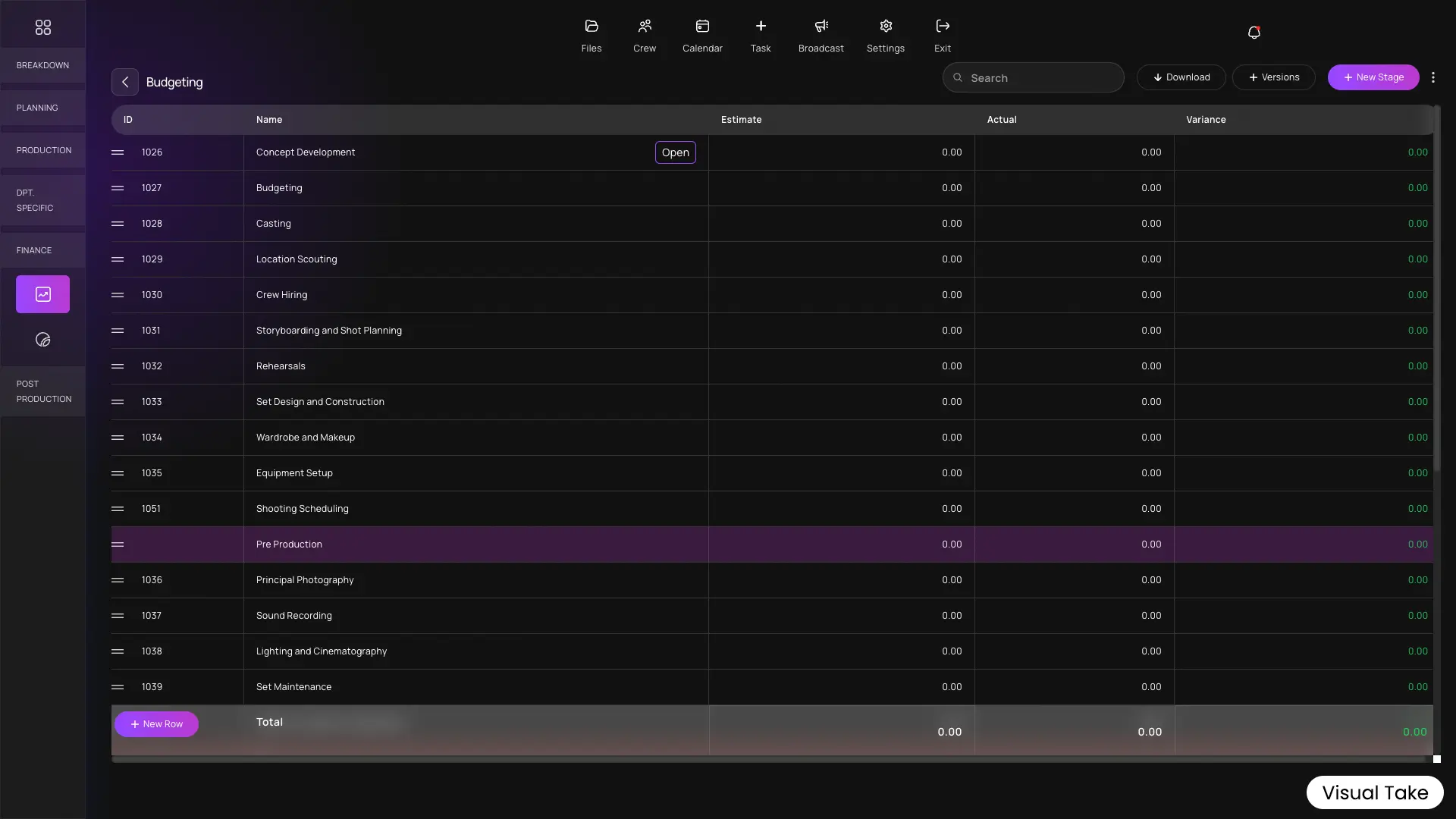
Visual Take Budgeting module UI

What Is the Correct Budget Build Sequence for an Indie Short Film?

Professional indie short film budgeting follows a fixed sequence. This sequence is mandatory for productions targeting OTT platforms like Mubi India, Amazon miniTV, and Sony LIV Shorts.

Step one is script breakdown. Step two is location locking. Step three is shoot day scheduling. Step four is cast and crew confirmation. Step five is equipment budgeting. Step six is contingency allocation at 10–15% of total production cost.

Visual Take executes steps one through five inside a single platform. A filmmaker working on a ₹3 lakh Kerala-set drama completes this sequence in one working day. The same filmmaker using Notion spreadsheets, Google Sheets trackers, and a manual Celtx breakdown requires three to five days for the same output.

Great vision requires great pre-production. Visual Take is the pre-production system indie filmmakers in India require to produce great films on real budgets.

VisualTake film production banner with camera and spotlight