Blog

Bata in Film Production: The Hidden Cost

Film budgets in Indian cinema rarely fail because of a single large creative decision. Most overruns happen due to small, recurring costs that compound across shoot days. These expenses often escape early scrutiny because they feel routine, operational, or unavoidable. Over time, they become difficult to trace back to a specific cause. Among these costs, daily wages and bata play a critical bata. They apply across departments, locations, and crew sizes. Even minor schedule shifts can multiply these expenses quickly. Yet, they are frequently estimated loosely or tracked manually.

For producers and line producers, the challenge is not awareness but control. Bata is paid daily, often in cash, across dozens or hundreds of crew members. When shoots extend or overtime becomes routine, the cumulative effect becomes visible only after budgets are exceeded. This article examines how bata and daily wages inflate budgets in Indian productions, why traditional tracking methods fail, and how structured budgeting systems can address this problem without disrupting established workflows.

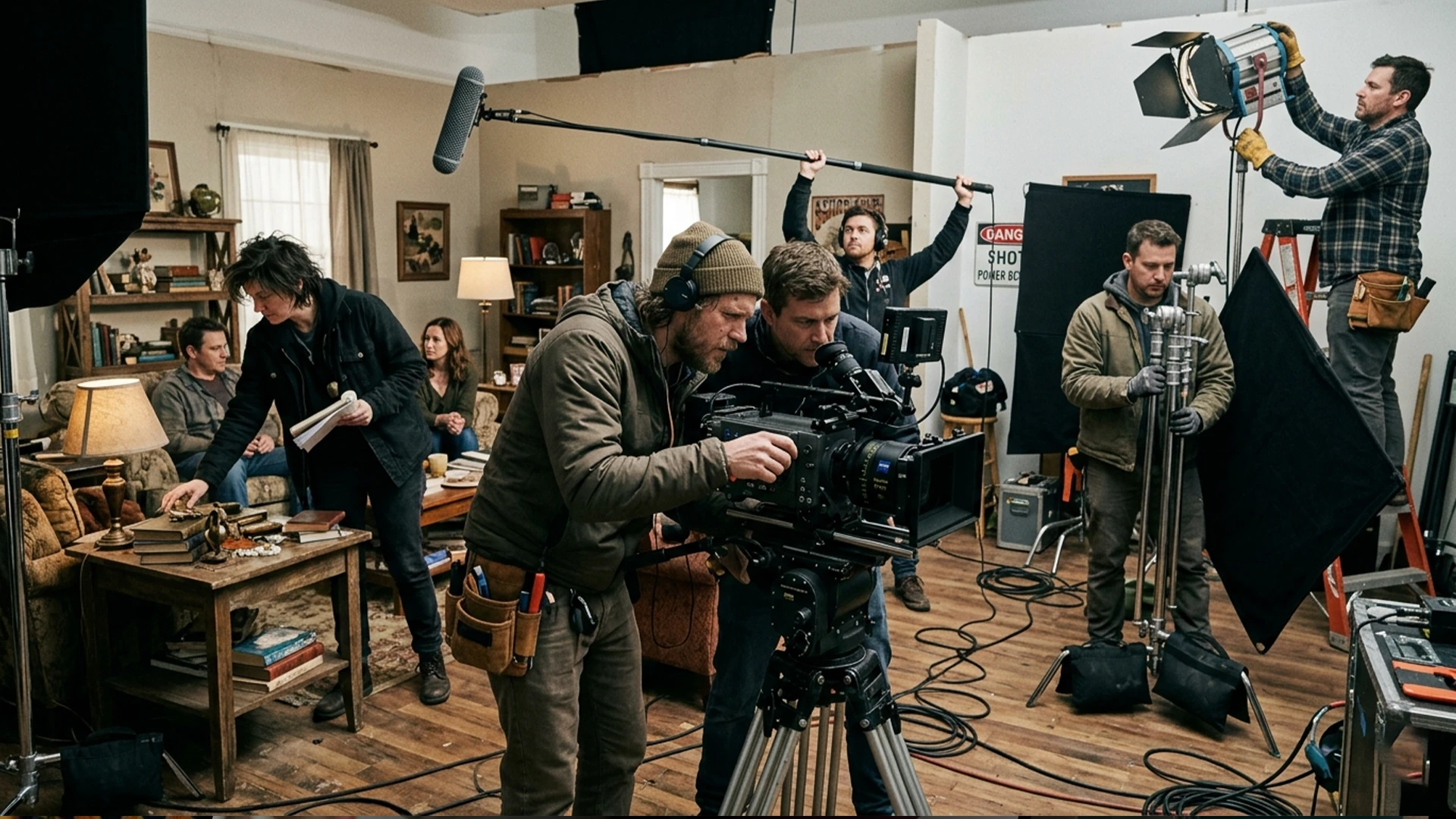
Film crew working on movie set production

Understanding Bata & Daily Wages in Indian Cinema

What Bata Means in Production Accounting

In Indian film production, bata refers to a daily cash allowance paid to crew members to cover food, travel, or incidental expenses. It is not part of the base salary and varies by role, seniority, and region. Bata is usually paid per shoot day.

Daily wages, on the other hand, represent the fixed amount paid for a day’s work. Many crew members, including technicians, spot boys, drivers, and junior artists, operate entirely on daily wage structures without monthly contracts.

Key distinctions include:

  • Salary: Monthly or project-based compensation
  • Daily wages: Fixed per-day payment
  • Bata: Variable daily allowance paid separately

These components coexist in most Indian productions and must be tracked independently to understand real labor costs.

Who Receives Bata and Why It Adds Up

Departments Commonly Paid Bata

Bata payments extend across nearly all on-ground departments. The most common recipients include:

  • Camera and lighting technicians
  • Grips and crane operators
  • Production boys and spot boys
  • Drivers and unit staff
  • Makeup and costume assistants
  • Junior artists and crowd talent

Each role has a different bata range, often influenced by region, union norms, and demand. Data from recent productions shows that bata typically ranges between ₹200 and ₹1,500 per person per day.

When multiplied by crew size and shoot duration, these amounts scale rapidly. A mid-sized production with 120 crew members paying an average bata of ₹400 incurs ₹48,000 per day purely in allowances, excluding wages.

Why Bata Becomes a Hidden Budget Killer

Operational Factors That Multiply Costs

Bata expenses rise not because rates change, but because days increase. Common triggers include:

  • Shoot delays due to weather or permissions
  • Extended working hours triggering overtime
  • Location changes requiring travel days
  • Reshoots caused by continuity or technical issues

Each additional day automatically activates another full cycle of wages and bata. Since these payments are expected and routine, they are rarely questioned during production.

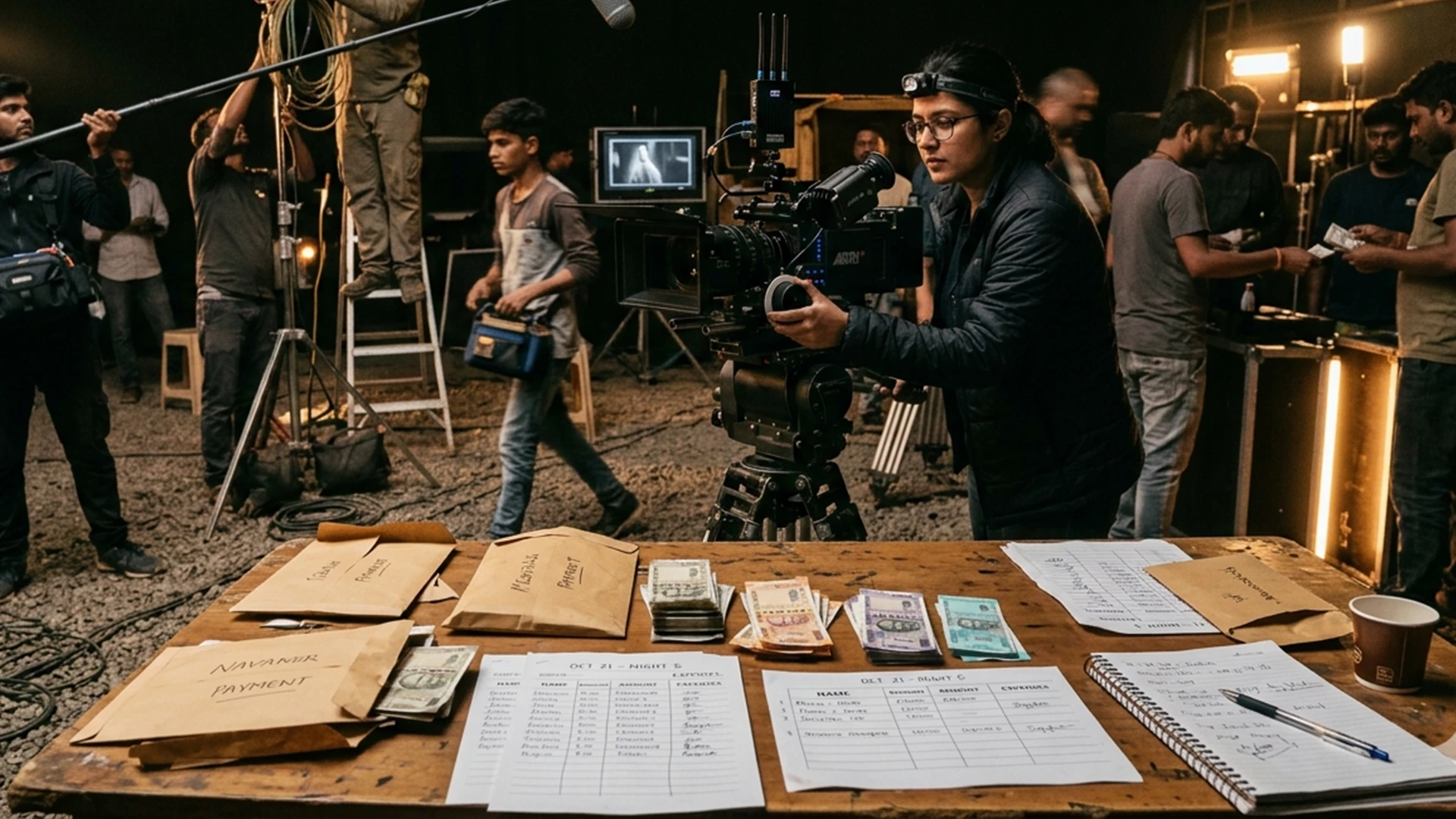
Manual tracking further complicates matters. Payments are recorded on paper or loosely updated spreadsheets. Cash disbursements often lack timestamps or role-level clarity. By the time finance teams consolidate data, overruns have already occurred. 
Real Data & Industry Insights from Indian Productions

Role / Dept
Avg. Daily Pay (₹)
Avg.
Overtime Trigger (Hrs)
AI Variance (Risk)
Focus Puller
₹3,500
₹500
12+
Medium
Lightman (Senior)
₹1,800
₹300
10+
Low
Lightman (Junior)
₹1,200
₹250
10+
Low
Grip / Crane Op
₹2,500
₹400
12+
Medium
Prod. Boy / Spot
₹900
₹200
N/A
High (Cash Flow)
Driver (Unit)
₹1,100
₹300
14+
Low
Makeup Asst.
₹2,500
₹400
12+
Medium
Costume Asst.
₹2,000
₹350
12+
Medium
Junior Artist
₹800 - ₹1,500
Included
9+
High

Disclaimer: The above data is based on historical industry sources and past production benchmarks. Actual rates may vary depending on region, production scale, union agreements, and current market conditions. This information is intended for reference and planning purposes only.

Focus Puller

Avg. Daily Pay (₹)
Avg.
₹3,500
₹500
Overtime Trigger (Hrs)
AI Variance (Risk)
12+
Medium

Lightman (Senior)

Avg. Daily Pay (₹)
Avg.
₹1,800
₹300
Overtime Trigger (Hrs)
AI Variance (Risk)
10+
Low

Lightman (Junior)

Avg. Daily Pay (₹)
Avg.
₹1,200
₹250
Overtime Trigger (Hrs)
AI Variance (Risk)
10+
Low

Grip / Crane Op

Avg. Daily Pay (₹)
Avg.
₹2,500
₹400
Overtime Trigger (Hrs)
AI Variance (Risk)
12+
Medium

Prod. Boy / Spot

Avg. Daily Pay (₹)
Avg.
₹900
₹200
Overtime Trigger (Hrs)
AI Variance (Risk)
N/A
High (Cash Flow)

Driver (Unit)

Avg. Daily Pay (₹)
Avg.
₹1,100
₹300
Overtime Trigger (Hrs)
AI Variance (Risk)
14+
Low

Makeup Asst.

Avg. Daily Pay (₹)
Avg.
₹2,500
₹400
Overtime Trigger (Hrs)
AI Variance (Risk)
12+
Medium

Costume Asst.

Avg. Daily Pay (₹)
Avg.
₹2,000
₹350
Overtime Trigger (Hrs)
AI Variance (Risk)
12+
Medium

Junior Artist

Avg. Daily Pay (₹)
Avg.
₹800 - ₹1,500
Included
Overtime Trigger (Hrs)
AI Variance (Risk)
9+
High

Disclaimer: The above data is based on historical industry sources and past production benchmarks. Actual rates may vary depending on region, production scale, union agreements, and current market conditions. This information is intended for reference and planning purposes only.

How Bata and Daily Wages Vary Across Indian Film Industries

Department / Role
Kerala (Mollywood) (Daily Rate + Bata)
Hyderabad (Tollywood) (Daily Rate + Bata)
Chennai (Kollywood) (Daily Rate + Bata)
AI Risk Factor
Lightman (Senior)
₹1,650 + ₹400 Bata
₹1,900 + ₹500 Bata
₹1,750 + ₹450 Bata
Low
Production Boy
₹1,000 + ₹300 Bata
₹1,200 + ₹300 Bata
₹1,100 + ₹250 Bata
High (Cash Flow)
Assistant Director
₹2,500 + ₹500 Bata
₹3,000 + ₹750 Bata
₹2,800 + ₹600 Bata
Medium
Focus Puller (1st AC)
₹5,500 + ₹1,000 Bata
₹7,000 + ₹1,500 Bata
₹6,500 + ₹1,200 Bata
Medium
Makeup Chief
₹6,000 + ₹1,000 Bata
₹8,500 + ₹1,500 Bata
₹7,500 + ₹1,200 Bata
Low
Driver (Unit/Badli)
₹1,200 + ₹350 Bata
₹1,400 + ₹400 Bata
₹1,300 + ₹350 Bata
High (Union Strictness)
Junior Artist (Crowd)
₹900 - ₹1,500 (Flat)
₹1,200 - ₹1,800 (Flat)
₹₹1,000 - ₹1,600 (Flat)
Medium
test
100
300
587
prority

Data Source: Data Source: Synthesized from FEFKA (Kerala) standard rates and recent Tollywood Federation Strike demands (August 2024).

Disclaimer: The above data is based on historical industry sources and past production benchmarks. Actual rates may vary depending on region, production scale, union agreements, and current market conditions. This information is intended for reference and planning purposes only.

Lightman (Senior)

Kerala (Mollywood) (Daily Rate + Bata)
Hyderabad (Tollywood) (Daily Rate + Bata)
₹1,650 + ₹400 Bata
₹1,900 + ₹500 Bata
Chennai (Kollywood) (Daily Rate + Bata)
AI Risk Factor
₹1,750 + ₹450 Bata
Low

Production Boy

Kerala (Mollywood) (Daily Rate + Bata)
Hyderabad (Tollywood) (Daily Rate + Bata)
₹1,000 + ₹300 Bata
₹1,200 + ₹300 Bata
Chennai (Kollywood) (Daily Rate + Bata)
AI Risk Factor
₹1,100 + ₹250 Bata
High (Cash Flow)

Assistant Director

Kerala (Mollywood) (Daily Rate + Bata)
Hyderabad (Tollywood) (Daily Rate + Bata)
₹2,500 + ₹500 Bata
₹3,000 + ₹750 Bata
Chennai (Kollywood) (Daily Rate + Bata)
AI Risk Factor
₹2,800 + ₹600 Bata
Medium

Focus Puller (1st AC)

Kerala (Mollywood) (Daily Rate + Bata)
Hyderabad (Tollywood) (Daily Rate + Bata)
₹5,500 + ₹1,000 Bata
₹7,000 + ₹1,500 Bata
Chennai (Kollywood) (Daily Rate + Bata)
AI Risk Factor
₹6,500 + ₹1,200 Bata
Medium

Makeup Chief

Kerala (Mollywood) (Daily Rate + Bata)
Hyderabad (Tollywood) (Daily Rate + Bata)
₹6,000 + ₹1,000 Bata
₹8,500 + ₹1,500 Bata
Chennai (Kollywood) (Daily Rate + Bata)
AI Risk Factor
₹7,500 + ₹1,200 Bata
Low

Driver (Unit/Badli)

Kerala (Mollywood) (Daily Rate + Bata)
Hyderabad (Tollywood) (Daily Rate + Bata)
₹1,200 + ₹350 Bata
₹1,400 + ₹400 Bata
Chennai (Kollywood) (Daily Rate + Bata)
AI Risk Factor
₹1,300 + ₹350 Bata
High (Union Strictness)

Junior Artist (Crowd)

Kerala (Mollywood) (Daily Rate + Bata)
Hyderabad (Tollywood) (Daily Rate + Bata)
₹900 - ₹1,500 (Flat)
₹1,200 - ₹1,800 (Flat)
Chennai (Kollywood) (Daily Rate + Bata)
AI Risk Factor
₹₹1,000 - ₹1,600 (Flat)
Medium

test

Kerala (Mollywood) (Daily Rate + Bata)
Hyderabad (Tollywood) (Daily Rate + Bata)
100
300
Chennai (Kollywood) (Daily Rate + Bata)
AI Risk Factor
587
prority

Data Source: Data Source: Synthesized from FEFKA (Kerala) standard rates and recent Tollywood Federation Strike demands (August 2024).

Disclaimer: The above data is based on historical industry sources and past production benchmarks. Actual rates may vary depending on region, production scale, union agreements, and current market conditions. This information is intended for reference and planning purposes only.

Film production team handling budget and shoot setup

The Budgeting Challenge in Indian Productions

Why Traditional Methods Fail

Most Indian productions still rely on spreadsheets, notebooks, and verbal updates to track labor costs. These methods fail for three key reasons:

  • No real-time visibility into daily payouts
  • No separation between wages and bata
  • No automated comparison between planned and actual spend

Spreadsheets capture totals but not behavior. They cannot show how overtime, delays, or regional changes influence bata accumulation. Paper records are fragmented across departments and rarely reconciled daily.

As a result, producers only see the financial impact at the end of a schedule, when corrective action is no longer possible.

How Visualtake Addresses Bata & Daily Wage Tracking

Structured Budgeting Built for Indian Workflows

Visualtake’s Budgeting module is designed to reflect how Indian productions actually operate. It allows producers to build budgets that separate daily wages, bata, and overtime as independent cost components.

Key capabilities include:

  • Dedicated bata line items per role and department
  • Day-wise tracking of actual payments
  • Region-specific rate templates
  • Automatic variance calculation between estimate and actual

By treating bata as a structured data point rather than an informal adjustment, production teams gain visibility without changing how payments are made on set.

The system supports INR-based budgeting with multi-currency support, ensuring compatibility for projects with international investors.

Why This Matters for Indian Filmmakers

Operational and Financial Outcomes

Effective bata management directly impacts production stability. Key benefits include:

  • Improved cash flow planning
  • Fewer last-minute funding requirements
  • Clearer reporting for producers and investors
  • Better coordination between creative and finance teams

For independent filmmakers, this clarity is critical. Limited budgets leave little room for hidden costs. For larger productions, transparency strengthens trust with financiers and co-producers.

As Indian cinema continues to professionalize, detailed labor cost tracking is becoming a baseline requirement rather than a luxury.


Conclusion

Bata and daily wages are not minor line items in Indian film production budgets. They are cost multipliers that scale with time, crew size, and operational efficiency. When left untracked or loosely estimated, they silently inflate budgets and disrupt financial planning. The data is clear. Productions that fail to manage bata structurally experience predictable overruns. Those that treat it as a defined, trackable expense gain control without disrupting established set practices.

As production schedules tighten and investor scrutiny increases, technology-driven budgeting systems are no longer optional. They are essential tools for managing the real economics of Indian filmmaking. Visualtake represents a shift toward acknowledging these realities and building systems around them, rather than forcing Indian productions to adapt to models designed for different industries.

VisualTake film production banner with camera and spotlight