Blog

AI in Scriptwriting: A Beginner’s Guide

Ever dreamt of crafting captivating scripts but felt overwhelmed by the sheer effort? Well, guess what? The world of scriptwriting is getting a major upgrade, and it's thanks to something you might already use every day: Artificial Intelligence (AI). Forget the image of lone writers hunched over dusty typewriters; the future is about a powerful partnership between human creativity and smart technology.

This isn't about AI taking over our stories. Instead, think of it as your ultimate creative co-pilot, making the creative journey smoother, faster, and even more exciting. For aspiring scriptwriters especially, AI is like having a seasoned mentor by your side, ready to lend a hand from that daunting blank page all the way to a polished masterpiece.

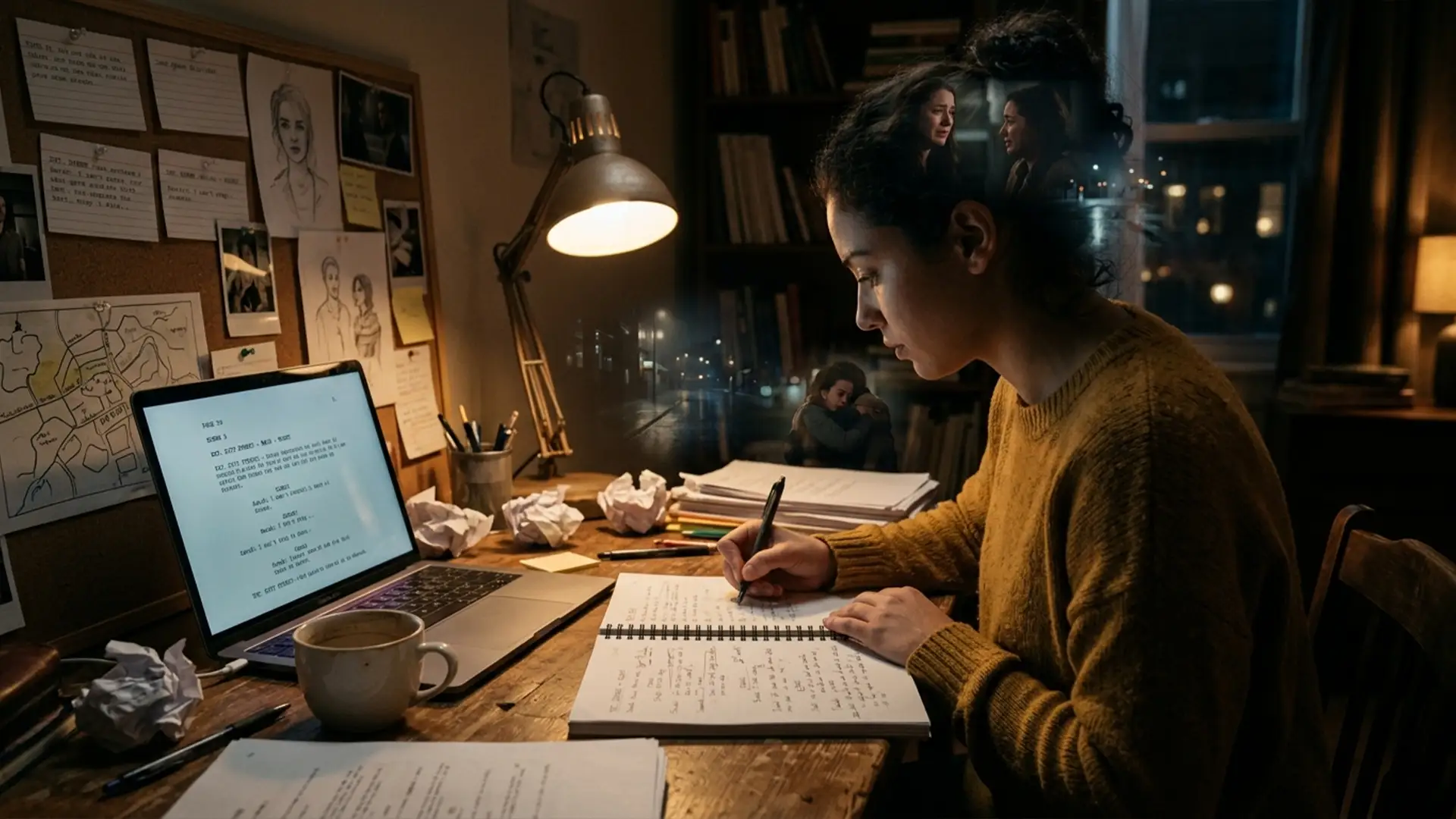
film script writing process, screenwriter workspace, storytelling, screenplay development at night

AI in Action: Your New Scriptwriting Toolkit

AI tools have come a long, long way. They're not just about fixing typos anymore; they're becoming sophisticated partners for every step of your scriptwriting workflow. AI can be your brainstorm buddy, spitting out fresh ideas or even visual elements to get your imagination flowing. Give it a basic idea, and AI can suggest multiple story directions, plot twists you never considered, and so much more. This is part of the exciting script-to-production pipeline that AI is making more seamless.

Crafting Characters and Dialogue That Truly Connect

Creating characters that audiences care about and dialogue that sounds real is super important. AI can seriously help here! It can assist in building detailed character profiles, digging into their backstories, personality quirks, and what really makes them tick. For dialogue, AI is capable of generating lines, adjusting the tone to fit any mood, and making sure your characters sound consistent throughout the script. This often includes advanced AI-based dialogue optimization, helping writers refine conversations for greater impact and authenticity.

Polishing Your Script: Beyond Just Spell Checks

The refinement of a script extends far beyond basic grammar and punctuation. AI tools can analyze scripts for pacing, structure, and emotional impact, offering sophisticated suggestions for improvement. This capability assists in understanding scene pacing and ensuring that what reads well on the page translates effectively to the screen. Beyond basic edits, AI can provide nuanced insights that enhance the storyline, character development, and overall pacing. It can detect potential pacing issues or offer assistance with the narrative structure. Furthermore, some AI-powered scriptwriting software can even help ensure adherence to industry-standard film script format, automatically handling elements like scene headings, character names, and dialogue formatting, saving invaluable time for beginners. This makes the script development process much smoother.

Visualizing Your Story: From Words to Scenes

Scripts are meant to be seen! AI tools are bridging the gap between your written words and what appears on screen. Think about this: AI storyboard generators automate the creation of visual representations for each scene, transforming written scripts or ideas into visual storyboards in mere minutes. This capability saves immense time compared to traditional manual sketching. These tools enable writers to map out scenes, visualize characters, plan transitions, and even suggest optimal scene compositions or smart shot selection. Some advanced platforms even offer virtual storyboard simulation, allowing writers to preview their scenes in a dynamic, animated format before production begins. This also ties into AI-driven pre-production assistance, streamlining tasks like smart location scouting or even automated scene breakdown.
Practical Tips for Beginners: Embrace the AI Advantage!

Alright, so how do you actually start using this awesome technology? Here's my take:

  1. See AI as Your Idea Generator: Think of AI tools as a springboard for creativity, especially when you're stuck. Need a fresh twist? Ask the AI!
  2. Automate the Boring Stuff: Let AI handle repetitive drafting or ideation tasks, freeing you up for the truly creative, complex parts of writing. This boost in efficiency and productivity is significant.
  3. You're the Boss: AI offers tons of suggestions, but remember, you are the writer, the director of your story. Your human touch is irreplaceable. Maintain creative control always.
  4. Experiment, Experiment, Experiment! Don't be afraid to try different prompts and generate various versions of your script. This can seriously speed up your editing process. The magic often happens when you learn to "talk" to the AI effectively – that's called prompt engineering.

This new world of AI means successful writers aren't just great at writing; they're also masters at guiding AI. You become a "creative director" for the AI, giving it clear instructions and then carefully choosing and refining its best outputs. This involves developing crucial critical curation skills.

Refine, Personalize, and Own It!

Once AI gives you a starting point, it's your turn to make it sing. Use AI for initial drafts, then infuse your unique voice, your personal metaphors, and those emotional beats that only you can create. Let's be honest, AI-generated scripts can sometimes lack an authentic voice, making personalization absolutely essential.

Make sure you have a consistent way to revise. Keep track of different versions of your AI-generated drafts so you can see how your ideas evolve. And never forget the power of collaboration with peers or editors! AI can't give you the nuanced insights that a human can. Plus, while AI is great for quick background research and fact-checking, always double-check facts with reliable sources to ensure accuracy.

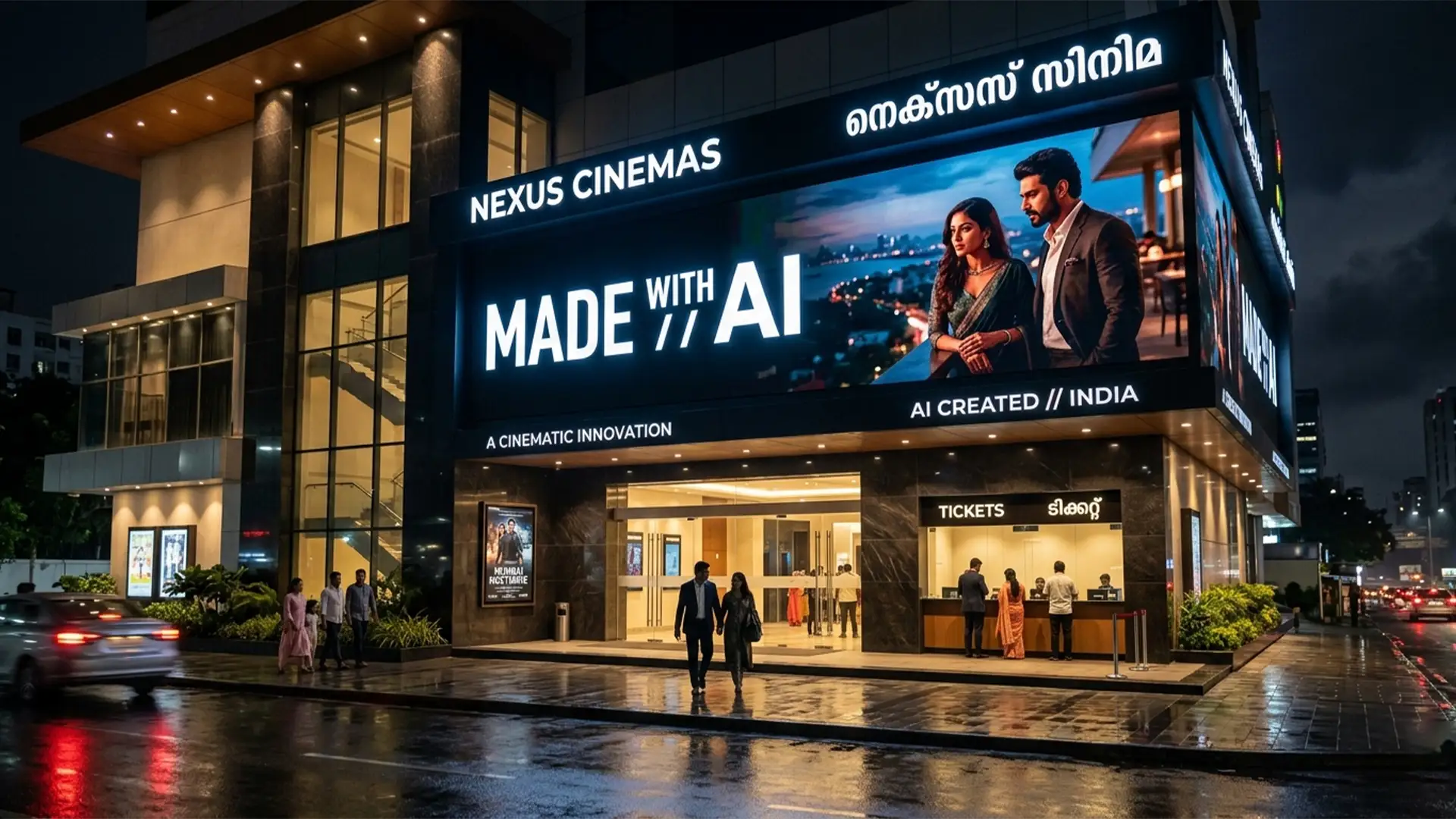
Modern cinema building with a large AI-themed movie billboard at night.

The Numbers Speak: AI's Growing Impact on Filmmaking

AI isn't just a buzzword; it's genuinely changing how creative work gets done across the filmmaking industry. The screen and script writing software market is seeing significant growth due to AI integration.

Column 1
Column 2
82% of businesses now use AI writing tools.
This highlights how mainstream AI has become in content creation, indicating its growing acceptance and utility across industries, including creative fields like scriptwriting and digital filmmaking.
AI can reduce production planning time by up to 60%.
Imagine how much more time you'll have to focus on the truly creative parts of your script when AI handles the initial heavy lifting. This efficiency is a game-changer for hitting deadlines and exploring more ideas, directly impacting pre-production budgeting and overall project timelines, especially for low-budget production tools and indie filmmakers.
71.7% of content marketers use AI for outlining, ideation, and drafting.
These figures directly reflect how writers are already leveraging AI for the very initial and foundational stages of content creation, which are directly transferable to scriptwriting.

82% of businesses now use AI writing tools.

Column 2
This highlights how mainstream AI has become in content creation, indicating its growing acceptance and utility across industries, including creative fields like scriptwriting and digital filmmaking.

AI can reduce production planning time by up to 60%.

Column 2
Imagine how much more time you'll have to focus on the truly creative parts of your script when AI handles the initial heavy lifting. This efficiency is a game-changer for hitting deadlines and exploring more ideas, directly impacting pre-production budgeting and overall project timelines, especially for low-budget production tools and indie filmmakers.

71.7% of content marketers use AI for outlining, ideation, and drafting.

Column 2
These figures directly reflect how writers are already leveraging AI for the very initial and foundational stages of content creation, which are directly transferable to scriptwriting.

Conclusion

The integration of AI into scriptwriting marks a pivotal moment, transforming what was once a purely human endeavor into a collaborative art form. AI is not poised to replace the human storyteller, but rather to serve as an invaluable co-pilot, streamlining workflows, sparking new ideas, and enhancing the overall creative process. The true power of this transformation lies in the synergy between human ingenuity and artificial intelligence.

For beginners, this era presents unprecedented opportunities. AI can democratize access to tools and processes previously reserved for seasoned professionals, allowing aspiring writers to overcome common hurdles like writer's block, refine their craft with data-driven feedback, and visualize their narratives with ease. However, this exciting future demands a mindful approach. Writers must actively maintain creative control, inject their unique voice, and understand the ethical and legal implications of using AI. Embrace AI as a powerful tool.

VisualTake film production banner with camera and spotlight